
Posts about personal weighing scale

Tag: personal weighing scale

  • How to Maintain Your Jaw Clamp for Longevity

    Jaw Clamp Maintenance Guide: Keep Your Lab Equipment Working Like New

    The Jaw Clamp is a necessary component to any laboratory. Ideal for keep test tubes, glassware and other apparatus securely in place it provides safety and precision during use. Doing amazing work with your chemistry lab burner, silicone rubber tube, or recording data from a personal weighing scale, making sure you keep your jaw clamp up to snuff is a must for keeping it performing the way you need and expect!

    Regular Cleaning

    The jaw clamp must be cleaned after each use. Over time, exposure to chemicals, especially corrosive ones, can deteriorate the clamp’s material. Wipe clamp with mild detergent or laboratory cleaning solution and dry thoroughly before storing. Do not soak in water if any non-stainless parts present.

    Inspect Moving Parts

    Monitor the bolts and springs of the clamp regularly. These are the necessary parts prescribing torque and tension correction. Apply a tiny amount of lab approved lubricant to maintain smoothness of the movement in the presence of any rust. A clamp that is too stiff or squeaky could result in a poor setup, particularly when aligning test tubes or setting the height of a pendulum bob.

    Avoid Over-tightening

    The clamps are mostly damaged due to over tightening. It may seem secure, but too much force can damage the threading or mangle the clamp’s gripping surface. This may cause it to lack in robustness when you are looking for a unit that can also securely support lab glassware, so as to avoid potential accidents.

    Store Properly

    Keep your jaw clamps in a dry clean place in a drawer or on a tool rack. Do not put them near lab burners or chemical storage cabinets where it is likely to moist. You can keep them next to items such as your silicon rubber tube or personal weighing scale, so you can always have your tools neatly organized and properly protected.

    Replace Worn Parts

    If your clamps are looking a little tired—they have stripped screws or are creaky—reassess the damaged parts and consider repairing them in place of the entire tool. It’s significantly cheaper to replace a spring or a screw than an entire valve and keeps your lab safe.

    Conclusion

    Regular maintenance of your jaw clamp will not only prevent it from dying an early demise, but also will keep your chemistry lab running smoothly and safely. For top of the line laboratory tools that are tough, durable and reliable for example jaw clamp, chemistry test tube, laboratory burners and so on, select Mvtex Science Industry. Your experiments deserve the right foundation and we provide it with our products.

  • What Should You Look for in a Personal Weighing Scale?

    Key Features to Consider Before Buying a Personal Weighing Scale

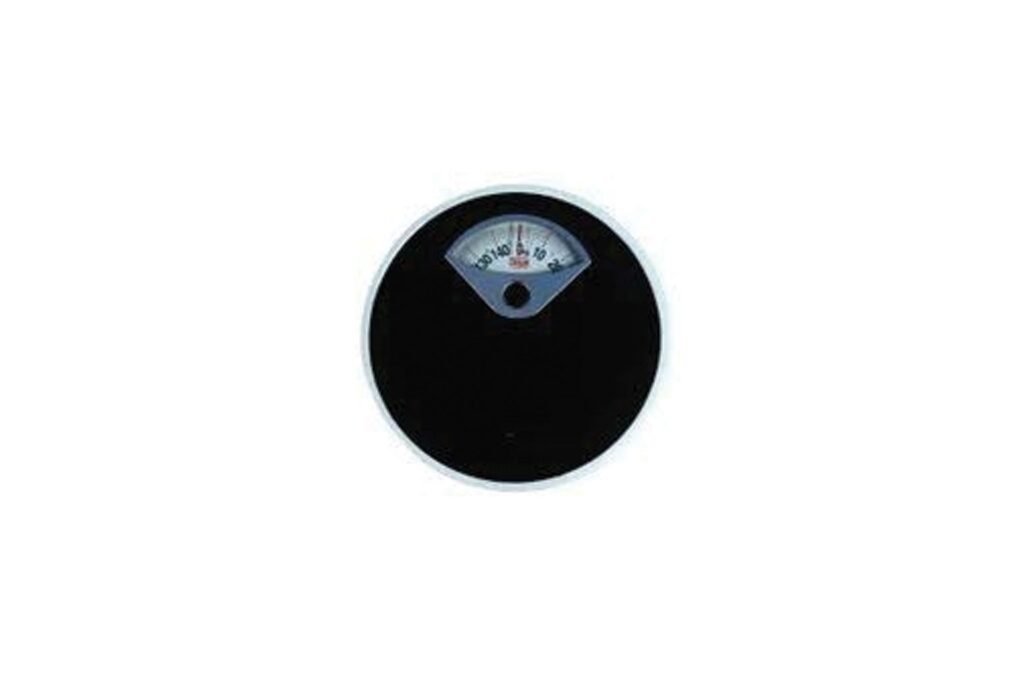
    Having a personal weighing scale is almost a necessity in today’s health-conscious. Whether you are working on shedding weight, keeping fit, or just pay attention to your health, a quality body weight scale will more than prove its worth in no time. But what should you actually be looking for when it comes to buying one?

    Digital vs Analog

    Salter digital scales also tend to come with more features and they are easier to read than the mechanical scales. Clear digital displays assist you in reading measurements with ease, and some are even equipped with backlit screens. Analog models may not be precise and can be more difficult to read — like trying to read the scale of a meter with faint markings.

    Maximum Weight Capacity

    Most bathroom scales allow only 150-180 kg. Choose a scale that meets the needs of all future users. An over weighted scale is unlikely to provide accurate readings and may be damaged.

    Additional Features

    Many newer models of scale now boast additional features such as BMI, body fat, Bluetooth connectivity and integration with mobile apps. These are somewhat like a compound microscope reveals layers below that which the naked eye can see. Though not all are strictly required, some can add to your health tracking experience.

    Build Quality and Design

    Look for scale materials that are durable, such as tempered glass or metal. It should be anti-slip at the bottom to keep it from sliding—extra important on a tiled floor. The pendulum’s bob is not related to it, but it educates us about the significance of ‘stability’ in a gravitational instruments.

    Easy Calibration

    Seek out models that have auto-calibration or can be calibrated manually like you would a vernier caliper before taking a measurement.

    URPIN Electronic Digital Weighing Scale for Human Body Weighing Scale With Temperature Display A good personal scale should have a few important features. You find the right scale, and tracking your health becomes a routine, not a chore. Choose poorly and your scale won’t last for very long.

    In short, the quest to find an appropriate personal weighing scale is very similar to precision instruments used in laboratories, that we employ for our daily march, such as vernier caliper spherometer, and compound microscope, which you see, too, require to be accurate, least count, durable and have digital calibration features. At MVTex Science Industry, quality is our top priority in all the scales and measuring instruments, whether it’s a meter scale, bob of pendulum or a regular weighing scale. When it comes to measurement, you can trust MVTex to provide the tools that deliver the exactness, reliability, and innovation you need for accurate measurement.

  • How to Read Your Personal Weighing Scale Accurately

    Mastering the tips of weighing the scale accurately

    Though reading your PERSONAL WEIGHING SCALE may seem very straightforward, learning how to do this is crucial to ensuring you record accurate measurements to monitor your general health trajectory. Accuracy in use and interpretation of your scale is essential whether you are tracking fitness progress, managing a medical condition or something in between. Here’s a full guide to help you take the most accurate readings from your scale.

    Put Your Scale on a Hard Flat Surface

    Always ensure that your PERSONAL WEIGHING SCALE is placed on a firm and flat surface, to get accurate results. Soft flooring, like carpet, can lead to uneven readings, so a tiled or wooden floor is preferable.

    Check Your Weight at the Same Time Every Day

    Food, water intake or activity can cause your weight to fluctuate over the course of a day. To help maintain consistency, weigh yourself at the same time of day—not sure if you’ve heard this one before (but it’s important!), ideally in the morning after going to the bathroom and before eating or drinking.

    Wear Minimal Clothing

    Clothes and accessories can also contribute extra weight and cause a misreading. For the most accurate measurement, step on the scale without shoes or much clothing.

    Stand Still and Centered

    Ensure you are standing straight in the middle of the scale, even weight on both feet. Any movement or leaning shifts your balance and alters the reading.

    Check Your Scale Calibration Regularly

    Some digital scales need to be set up to continue being accurate. Consult your scale’s manual to find out how to reset or calibrate.

    Maintain Your Equipment

    NEVER get your PERSONAL WEIGHING SCALE wet or dirty. Dust, moisture or a slick surface can compromise your results. If your scale is in a lab environment, return it to its place like other sensitive lab tools JAW CLAMP somewhere close to the chemistry test tubes or glassware in lab.

    Accuracy is paramount in lab settings. This also applies in the case of lab-grade weighing scales. Your laboratory glassware precautions are appropriate and similar to your attention to your scale that must be used with caution similar to your chemistry lab burner and silicone rubber tube that must comply with safety standards.

    The first step toward precision in weight measurement is proper usage. It might be a daily health check — or a scientific study — but your PERSONAL WEIGHING SCALE should be trusted just like any other equipment in your toolbox.

    Therefore, knowing how to properly use your PERSONAL WEIGHING SCALE will not only help weave a better health tracking system but also ensure consistent results in achieving your fitness goals. So, if you are looking for a solid scale or quality lab essentials such as JAW CLAMP, chemistry test tubes, silicone rubber tube, chemistry lab burner or glassware in lab, look no further than MVTex. We have high quality laboratory glassware and much more. MVTex, for every product accuracy, durability, performance you can trust; Store choose and buy.