
Posts about MERCURY PURIFIED

Tag: MERCURY PURIFIED

  • How to Troubleshoot Common Centrifuge Machine Issues

    Solving Frequent Issues with Lab Centrifuge Machines

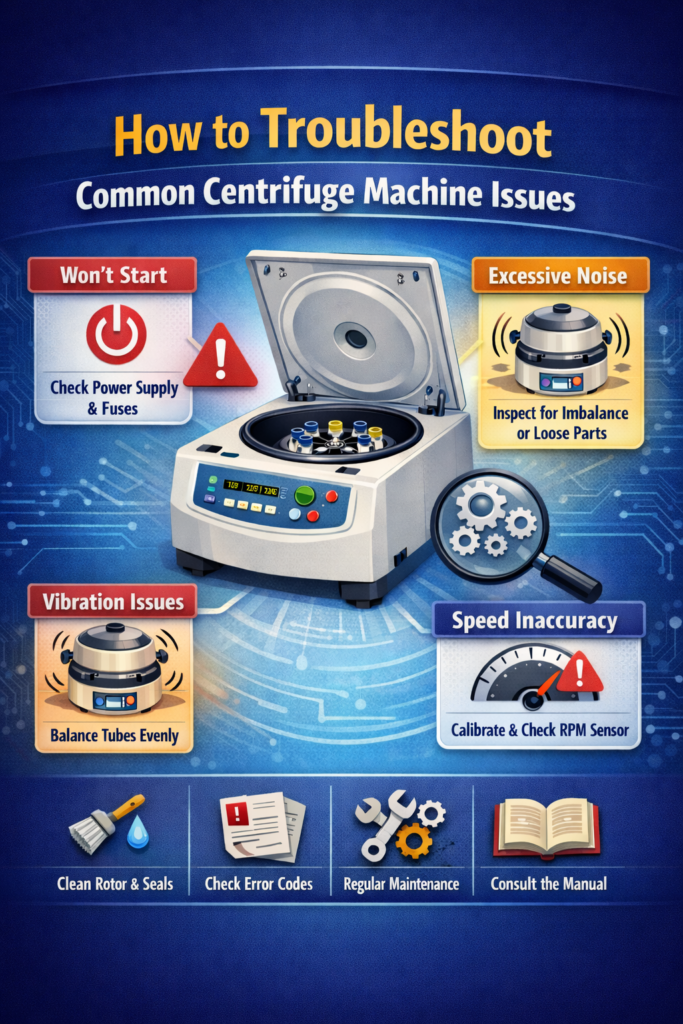
    A laboratory centrifuge machine is a very useful, common and necessary equipment. But as with all lab equipment, it can develop problems that interfere with performance. 

    One common problem is a vibration when running. This is usually due to an unbalanced load. Make certain the samples are well balanced in the rotor. Laboratory glassware compatible and no damage. Cracked or mismatched soda glassware is to be avoided due to possible imbalance and safety hazards.

    If the machine does not start, check the supply of power and connections first. Then, check that the lid is firmly locked, because many machines have a safety device that stops them from running unless the lid is closed properly.

    Unusual noise or sounds during spinning could indicate bad bearings or rotor issue. Non-corrosive maintenance and internal cleaning allows for many years of life and satisfaction.
    Incorrect temperature control is another common issue. For centrifugation of temperature sensitive samples, verify that the built-in refrigeration system is functional. If in doubt confirm with a laboratory thermometer because they are more precise.

    If you are getting the wrong separation results, recheck your speed settings and sample preparation. Another thing they may need to assess the sample properly is calibrated tools such as

    hydrometers for specific gravity.

    Peripheral equipment maintenance is also important. A clean application, mercury purified, water for a lab water bath to control steam and prevent contamination. Check that supporting implements such as a cork borer are clean and working.

    In short, regular checking, using good glassware in lab, and being cautious will minimize your down time and make your laboratory centrifuge machine a lot more dependable.

    In conclusion, resolving issues with your laboratory centrifuge machine ensures smooth lab operations and accurate results. Regular maintenance and understanding common problems are key. For high-quality lab solutions, trust MVTEX. From glassware in lab and soda glassware to MERCURY PURIFIED, cork borer, laboratory thermometer, hydrometer for specific gravity, and lab water bath, MVTEX delivers reliable, top-grade equipment and support for every scientific need.
  • Tips for Organizing Glassware in Your Lab Space

    Smart Storage Solutions : Tips for Storing Laboratory Glassware

    Sure, a tidy lab is nice to look at, but it also improves efficiency, safety, and productivity. It is important to store and handle glassware in lab spaces correctly to get accurate results and to reduce the risk of breakage or contamination. These are some practical ways that can help you with effective glassware used in laboratory storage and organization.

    1. Categorize Your Glassware

    Start with clustering like types of glassware together. There should be a separate place for beakers, flasks, burettes, pipettes, and test tubes. It also helps you find the right item fast and cuts down on clutter. For example, separate soda glassware—which is inherently more durable and economical—from other, more sensitive materials to avoid damage.

    2. Maximize Shelving and Racks

    Make use of vertical space — it’s your friend. Use adjustable shelving to optimize storage, and install racks specifically for drying and storing glassware. Test tubes and graduated cylinders, for example, can be arranged in clean vertical holders to free up horizontal work space.

    3. Label and Store Safely

    If it is not obvious, you should label all shelves and storage containers. This avoids confusion and assists lab personnel in putting items back in their proper places. Store specialty glassware, like glass used for MERCURY PURIFIED applications, separately and use extreme caution when handling to prevent contamination or exposure.

    4. Use Supportive Accessories

    Support delicate glassware with rubber stoppers, clamps and holders. A cork borer will make this task much easier and can be safely kept in a drawer organizer or tool tray (you’ll want to store this away from fragile items to prevent breakage).

    5. Good Tubing/Burner Integration

    Materials that don’t hold shape(like silicone rubber tube) should be coiled neatly, stored in labeled drawers, or hung on dedicated hooks. This is to avoid the same from tangling and to increase the life of the tubing. Likewise, a chemistry lab burner should have a specific, stable storage location, away from anything flammable or fragile if possible.

    6. Standard Maintenance and Auditors

    Make time for regular checks — whether weekly or monthly — to make sure everything’s in order. Outdated or broken items should be thrown away/replaced upon expiry. It helps not only to keep your lab running at an efficient level, but also encourages a culture around cleanliness and responsibility.

    A clean, organized lab space is a safer and more productive lab space. You are reading a large phrase about glassware in lab, and most definitely. So, with a good organization, your laboratory operations will be more efficient than ever.

    In lab spaces, glassware are typically organized based on the ventures they serve. Everything in order — from soda glassware to glassware used in laboratory. So go nowhere else but Mvtex for all the basics for lab like silicone rubber tube, chemistry lab burner, MERCURY PURIFIED, and cork borer. We supply tools that are robust and accurate in appearance to suit your laboratory needs. Smart lab solution with Mvtex helps to optimize to organize and upgrade your lab.

  • Tips for Effectively Using a Cork Borer in Projects

    How a Cork Borer influences the effectiveness of laboratories 

    One of the many useful tools in scientific investigations is a device called a cork borer, which allow you to create holes in rubber or cork from glassware— a simple device and a must-have item in any laboratory that involves the use of glass labware. In any type of filtration setups or insertions of tubing into stoppers, the cork borer is an astute mechanism for accuracy and safety alike. Here are some key tips to become more efficient when using a cork borer in your projects.

    Select the Right Size Borer

    When selecting a cork borer to use, first determine the size of the tubing or equipment to be inserted and select a cork borer with an appropriate diameter size before starting the project. If not, the sizes will not match, which might cause erroneous fittings, leakage, or damage to the stopper material.

    Dulcify the Cork or Rubber Stopper

    To ease boring, soak the cork or rubber stopper in warm water for a few minutes to soften it. It allows for smoother penetration and minimizes crystal fractures and irregular holes. If using soda glassware, make sure the stopper fits tightly to prevent air leakage.

    Use a Lubricant

    What we do is use a small amount of glycerin or water to lubricate the cork borer so that you can get a clean cut through the cork in one go. This comes in especially handy with inflexible materials.

    Insert with a Twisting Motion

    Instead of pushing the cork borer directly through, use a gentle twist with consistent pressure. This technique creates a clean, round hole without ripping the cork or stopper.

    Work on a Stable Surface

    Bore the cork or rubber stopper while it is resting on a solid, non-slip surface. This ensures stability and reduces the risk of injury or mistakes occurring during the moving process.

    Clean the Borer After Use

    Always clean your cork borer well after using it for your project. The residue remaining inside the tube has the potential to affect precision in future uses, especially with MERCURY PURIFIED or similar projects.

    Conclusion

    That is one of the useful tools paper. This tool is amazing when using it in the right way in laboratories. This will help you get the exact measurements, protect your project from damage, and keep them safer. If your laboratory work involves soda glassware or something with MERCURY PURIFIED, the will know better how to handle this to avoid disappointments.

    Best Practices Usage - A cork borer in laboratory projects You require accurate and clean cuts whether you’re doing soda glasswork, utilizing a laboratory centrifuge, or using a laboratory thermometer. Furthermore, safety measures must always be our first concern when dealing with any substance, even something as common as MERCURY purified.

    So if you want high-quality glassware used in laboratory settings or a dependable instrument, such as a hydrometer for specific gravity, you can trust the likes of MVTex for the right products. Leveraging the right tools can make your experiments faster and more effective overall.

  • The Why, What, and Wonders of Spirit Lamp in Lab

    The Why, What, and Wonders of Spirit Lamp in Lab

    Within the environment of scientific research, where detail meets use, a spirit lamp comes forth as a vital instrument. A practical piece of laboratory equipment with plenty of uses, particularly in universities and research institutions. Knowing how it works and what it does can help make one appreciate the fine details of experimental work even more.

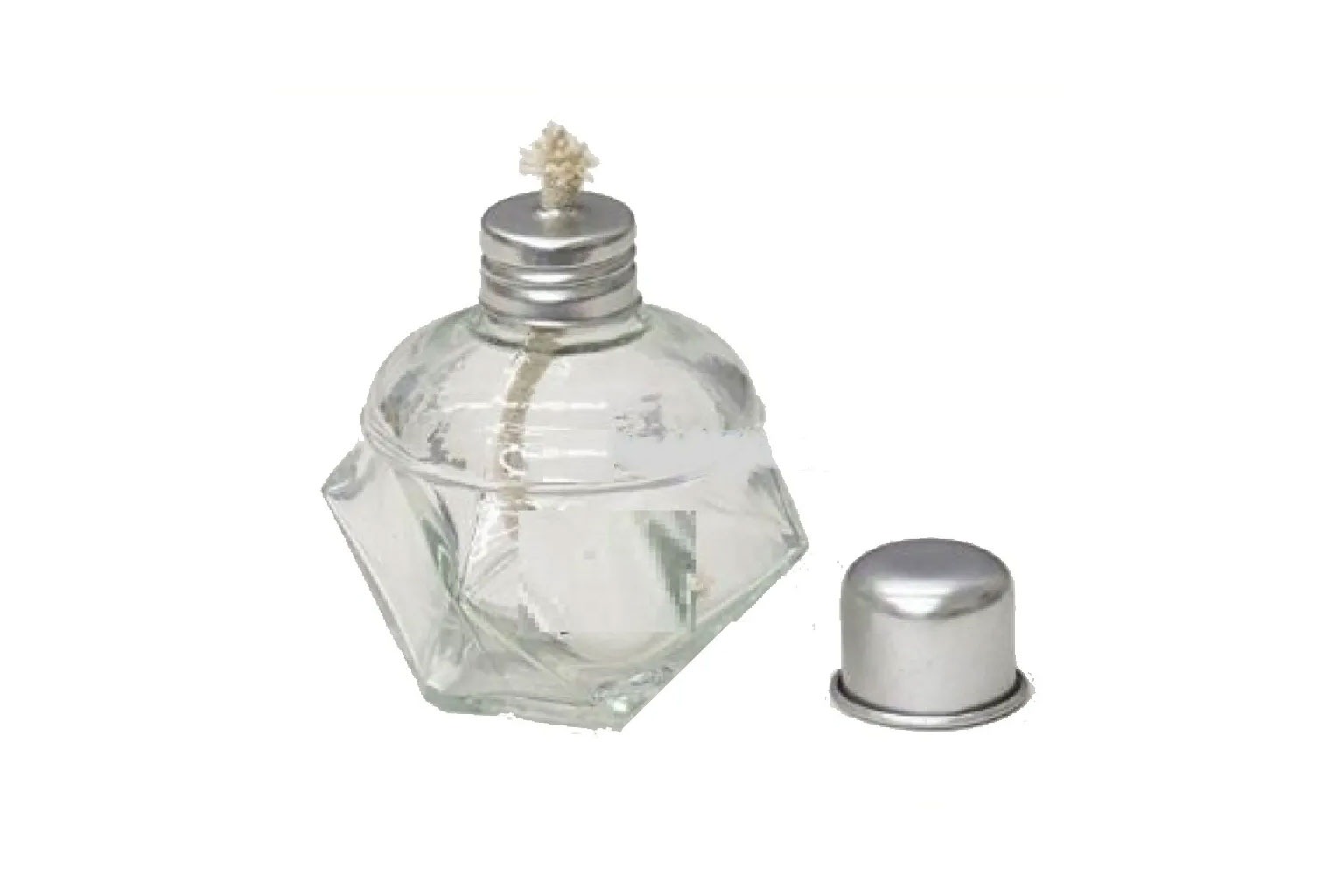
    A spirit lamp is usually a small, movable flame source fed by a volatile liquid, often an alcohol like ethanol or methanol. Unlike other heating options, it can offer a constant controllable heat source. Users could light it up extremely easily, so it is perfect for heating liquids in test tubes or for experiments requiring direct flame.

    One of the miracles of the spirit lamp is its versatility. We also wear soda glassware because it is strong and transparent. Besides holding the warm liquid for the burners, the journal glassware looks quite attractive on the bench and adds an aesthetic element to the laboratory, as does a spirit lamp.

    Tradition is rich in both MERCURY PURIFIED glassware and spirit lamps, and both provide essential means of assuring experiment reliability. Thermometric mercury, which is usually employed due to its high density and thermal conductivity, has a long history as a thermometric fluid. The device can work for accurate experiments with correct measured temperature when combined with the uniform heat provide through a spirit lamp.

    Another essential tool, used together with a spirit lamp, is a cork borer. It provides a convenient way to drill holes in a cork stop or similar objects so it can be used as a insulating lid for a flask heated on the flame.

    The laboratory centrifuge machine also used for analyzing fluids. Following heat treatment, the samples can be rapidly spun down, which provides for an improved experimental workflow in terms of separating the components. In the same way, The laboratory thermometer is very important for proper temperature monitoring in heating processes.

    Finally, a hydrometer for specific gravity is an invaluable tool when dealing with liquids, it helps you determine the density and quality of these fluids. Combined with the gentle, consistent heat of a spirit lamp, scientists can keep conditions just so for sensitive measurements.

    Finally, the spirit lamp is an important but underappreciated tool in the lab. It exemplifies a harmonious meld of tradition, precision, and creativity in scientific exploration with soda glassware, MERCURY PURIFIED glassware, cork borer, laboratory centrifuge machine, laboratory thermometer and hydrometer for specific gravity. Knowing how it was used shows just how the interconnectedness of laboratory tools means that research can carry on’

    High-quality material and reliability are guaranteed by purchasing products such as MVTEX Scientific Industry, soda glassware, MERCURY PURIFIED, cork borer, laboratory centrifuge machine, laboratory thermometer, specific gravity hydrometer from us. Purchase of equipment you will definitely use in your lab to improve the accuracy and efficiency of your analysis.