
Posts in Silicone Rubber Tube

Category: Silicone Rubber Tube

  • How to Cut Silicone Rubber Tubes for Perfect Fit

     Master the art of cutting silicone rubber tubes : DIY GUIDE

    Container and tube types must be known in a chemistry lab. One of the most versatile and commonly used materials is the silicone rubber tubing. Widely known for its flexibility, heat resistance and chemical inertness, it’s great for along with chemistry lab burners, condensers and other glassware used in experimental lab setups. But cutting these tubes accurately is key for achieving optimal results. This is the way to make it fit perfectly each time.
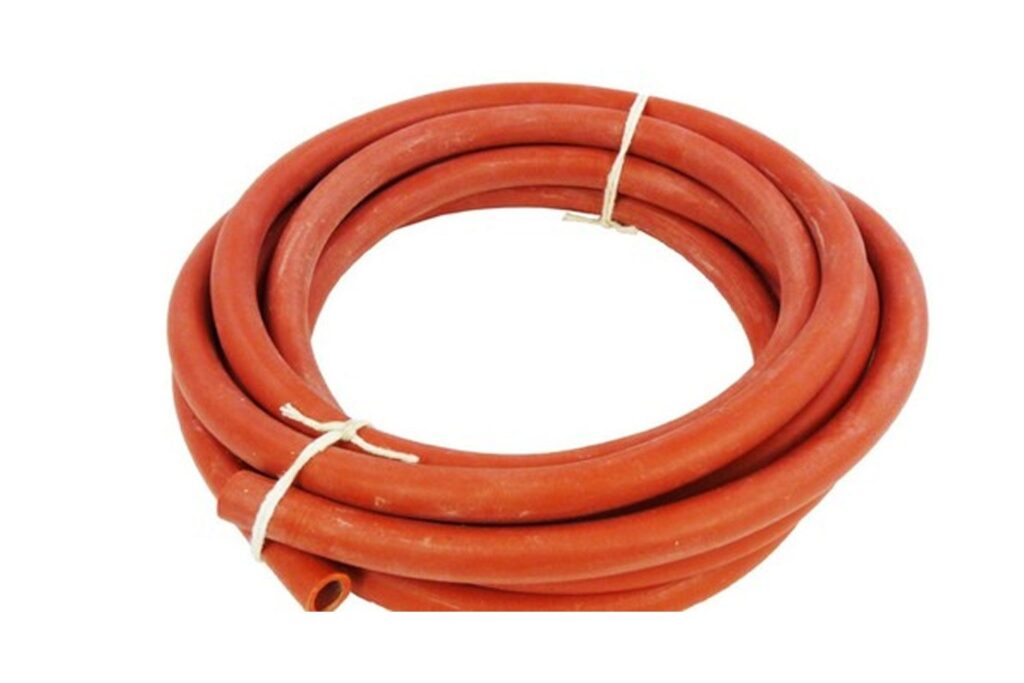
    silicone Rubber Tube

    Step 1: Gather Your Tools

    To start, be sure you have everything you need on hand. A JAW CLAMP is particularly significant to attach the tube firmly in position without damaging it. You’ll also want a sharp blade — like a utility knife or scalpel — for an even cut. Do not use scissors, which can crush the tube and leave ragged edges.

    Step 2: Measure and Mark

    Measure with a ruler or caliper the exact necessary length. Using a fine-tip permanent marker make a mark where you would like to cut. If the tube has to push against a piece of soda glassware, do that little bit of stretching beforehand and the tube should tightly fit in there to account for expansion.

    Step 3: Secure the Tube

    Fix the silicone rubber tube in JAW CLAMP to avoid slipping. Ascertain it is straight and firm but not pinching. This step is critical for getting an even, straight cut.

    Step 4: Make the Cut

    With the tube clamped, use your very sharp blade to cut the tubing in one steady stroke. Keep your hand steady and perpendicular as you write this way, so the edges aren’t slanted. A clean cut is essential for better fittings to chemistry test tubes, leak-proof reactions, and safe lab operation.

    Step 5: Test the Fit

    Once cut, connect the tube to whatever type of glassware you want to use in lab — a condenser, for example, or a chemistry test tube. If you’re using your own chemistry lab burner, be sure the fit is snug and secure to minimize the risk of gas leaks.

    Final Thoughts

    We You are a few steps towards Safety Silicone Rubber Tube Cutting a small page cutting in a particular well cut off a part of the proverbial. If you are pulling a soda glass or establishing a burner system, the right cut is critical.

    In summary, performing an accurate cut for silicone rubber tube will guarantee a snug fit in any laboratory arrangement. Mvtex Science Industry is the known supplier for high-quality glassware used in lab, chemistry test tubes, soda glassware & all accessories such as JAW CLAMP or chemistry lab burner.
  • Unique Properties of Silicon Rubber and its Impact!

    Silicone rubber is an elastic polymer composed of silicon and oxygen and has excellent thermal stability, making it an elastic polymer widely used in the industry. From silicone rubber tube use cases to high-heat environments such as a chemistry lab burner, it’s hard to find a space where this material doesn’t contribute in some way.

    Properties of Silicone Rubber

    Silicone rubber is known for its excellent temperature resistance, and is used in extremely high and low temperature applications. It is pliable still down to - 60°C and can resist heat of 300°C without damage. The ability to withstand heat makes it especially useful in laboratories in which glassware in lab settings are subjected to extreme thermal environments.

    The other vital property of silicone rubber is its chemical stability. In contrast to many organic rubbers, silicone does not react with most chemicals — and so is safe for handling aggressive substances in glassware used in laboratory experiments. It does not react with other chemicals which is the most important for accuracy in scientific studies!

    Silicone rubber also possesses excellent flexibility and elastic features. Even after severe stretching or compressing, it returns to its original shape, hence it is widely used for production of silicone rubber tube components in medical, food and industrial applications. Moreover, it is also biocompatible and non-toxic, and thus is suitable for application in environments with stringent standards for material safety.

    Silicone Rubber Uses and Applications

    Silicone rubber tube products are probably the most widely used silicone rubber products. Due to their durability, flexibility, and resistance to extreme temperatures, these tubes are extensively used in medical devices, food processing, and industrial equipment.

    Silicone rubber type is an important supporting role of scientific research in the laboratory. The material’s elasticity also makes it useful in laboratory experiments where it’s often used in conjunction with glassware to form seals and gaskets that keep content from leaking and contamination from occurring. It is also used in applications involving high temperatures and flames, like a chemistry lab burner, where it remains intact in a flame or under high-temperature conditions.

    Conclusion

    Silicone rubber also has valuable properties such as heat resistance, chemical stability, and flexibility, making it a useful material in many industries. In medical, industrial, or laboratory applications, it is still a go-to material for scientists and engineers. It is indeed an integral part of modern innovation from silicone rubber tube components all the way to its role in handling soda glassware.

    Excellent with heat, silicone rubber is a very durable material making it ideal for a number of industrial and laboratory applications. Reviews can guide you to choose the right supplier for your silicone rubber tube for fluid transfer or heat-resistant glassware used in the laboratory.

    (EIF of China) Specializing in everything from chemistry lab monster burner setups to soda glassware manufactured to standards capable of meeting your critical needs; our products provide you with comfort, safety, efficiency, and reliability. Quality glassware in lab & silicone rubber believes by MVTex Science Industry.